This hummus recipe is quick, simple, and packed with flavor. It’s perfect for dipping, spreading, or enjoying on its own!
Why You'll Love This Hummus
- Creamy texture that is irresistible
- Versatile dip that pairs well with veggies, pita, or crackers
- Healthy and nutritious option for snacks or appetizers
The History of Hummus
Hummus has a rich history that dates back thousands of years, with origins often traced to the Middle East. This creamy dip is made primarily from chickpeas, which were cultivated in the region since ancient times. While the exact origin of hummus is debated, it is a staple in many cultures, enjoyed by countless generations. Its popularity has spread globally, making it a beloved dish in various cuisines.
Traditionally, hummus was prepared using simple ingredients available in local markets. The combination of chickpeas, tahini, and olive oil reflects the agricultural practices of the Mediterranean. Over time, variations of hummus have emerged, incorporating different spices and flavors, showcasing the versatility of this dish.
Health Benefits of Hummus
Hummus is not only delicious but also packed with numerous health benefits. Chickpeas, the main ingredient, are rich in protein and fiber, making hummus a satisfying snack that helps keep you full longer. The fiber content aids in digestion and promotes gut health, which is essential for overall well-being.
Moreover, hummus is a great source of healthy fats, particularly from olive oil and tahini. These fats play a vital role in heart health and can help lower cholesterol levels. Additionally, hummus is naturally gluten-free, making it an excellent option for those with gluten sensitivities.
Serving Suggestions
Hummus is incredibly versatile, making it suitable for various serving occasions. For a simple yet satisfying snack, pair it with fresh veggies like carrots, cucumbers, and bell peppers. This combination not only elevates the taste but also adds a nutritious crunch to your snack time.
For a more substantial meal, consider using hummus as a spread on sandwiches or wraps. It adds a creamy texture and rich flavor that complements a variety of fillings. You can also use hummus as a dip for pita chips or whole-grain crackers, perfect for parties or gatherings.
Ingredients
Hummus Ingredients
- 1 can (15 oz) chickpeas, drained and rinsed
- 1/4 cup tahini
- 2 tablespoons olive oil
- 2 tablespoons lemon juice
- 1 clove garlic, minced
- 1/2 teaspoon ground cumin
- Salt to taste
- Water as needed
Combine all ingredients in a food processor for the best results.
Instructions
Blend Ingredients
In a food processor, combine the chickpeas, tahini, olive oil, lemon juice, garlic, cumin, and salt.
Process Until Smooth
Blend the mixture until smooth, adding water a tablespoon at a time until you reach the desired consistency.
Taste and Adjust
Taste the hummus and adjust seasoning, adding more salt or lemon juice if desired.
Serve
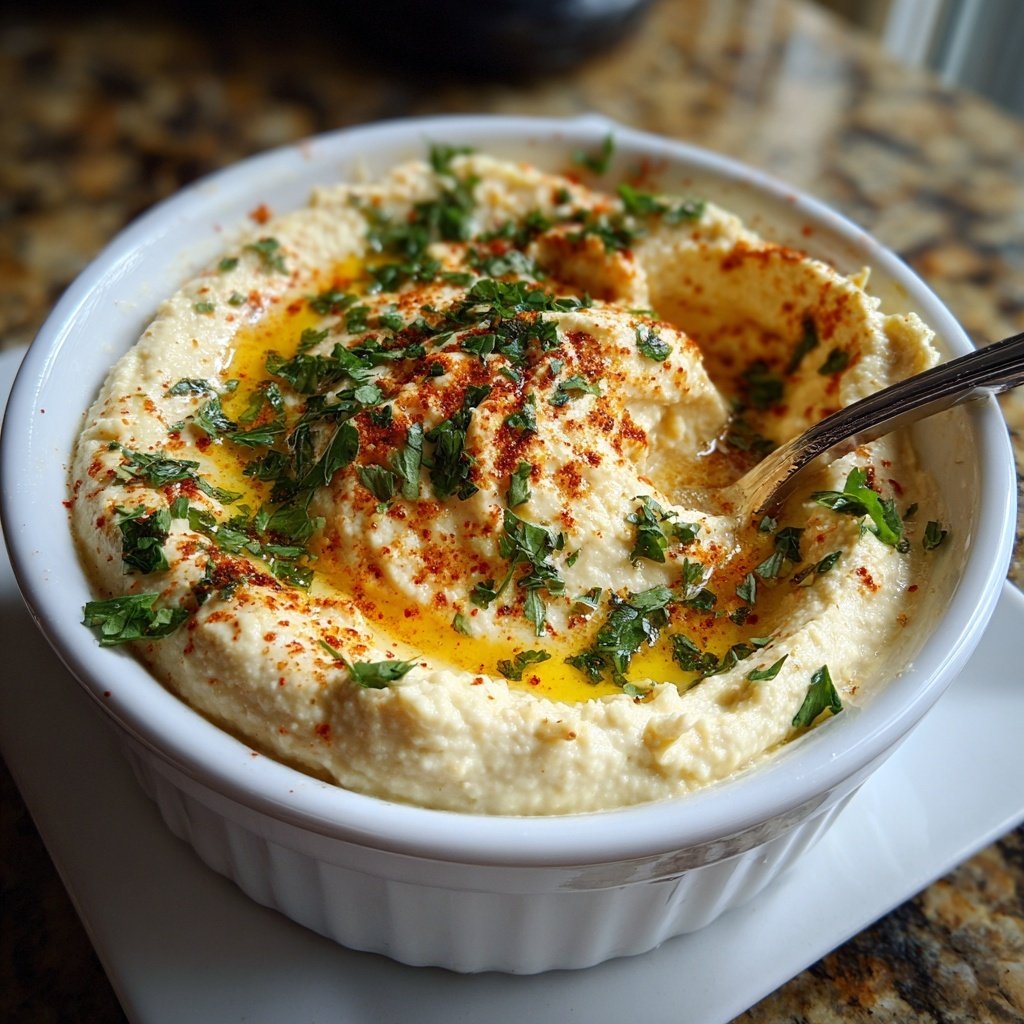
Transfer the hummus to a serving bowl, drizzle with olive oil, and serve with pita bread or veggies.
Enjoy your homemade hummus!
Pro Tips
- For extra flavor, consider adding roasted red peppers or herbs like parsley into the blender.
Storage Tips
To keep your hummus fresh and flavorful, proper storage is key. After preparing your hummus, transfer it to an airtight container and store it in the refrigerator. It can typically last for about 4 to 7 days, allowing you to enjoy it throughout the week.
If you've made a larger batch and want to preserve it for longer, consider freezing it. Place the hummus in a freezer-safe container, leaving some space at the top for expansion. When you're ready to enjoy it, simply thaw it in the refrigerator overnight before serving.
Customizing Your Hummus
One of the best aspects of hummus is its adaptability. You can easily customize the flavor by adding various ingredients. For a spicy kick, incorporate roasted red peppers, jalapeños, or even a dash of cayenne pepper. Alternatively, for a sweeter twist, try blending in roasted garlic or sun-dried tomatoes.
Herbs and spices can also enhance your hummus. Fresh herbs like parsley, cilantro, or basil can add a burst of flavor, while spices like smoked paprika or za'atar can introduce a unique twist. Experimenting with different flavors can make each batch of hummus a delightful new experience.
Questions About Recipes
→ Can I use dried chickpeas instead of canned?
Yes, you can cook dried chickpeas and use them in this recipe. Just ensure they are soft and cooked through.
→ How can I store leftover hummus?
Store leftover hummus in an airtight container in the refrigerator for up to a week.
→ What can I serve with hummus?
Hummus is great with pita bread, veggies like carrots and cucumbers, or even as a spread on sandwiches.
→ Can I make hummus without tahini?
Yes! You can omit tahini or substitute it with sunflower seed butter for a nut-free version.
Best Hummus Recipe
Created by: The Freshbitesonly Team
Recipe Type: International Recipe Collection
Skill Level: Easy
Final Quantity: 4 servings
What You'll Need
Hummus Ingredients
- 1 can (15 oz) chickpeas, drained and rinsed
- 1/4 cup tahini
- 2 tablespoons olive oil
- 2 tablespoons lemon juice
- 1 clove garlic, minced
- 1/2 teaspoon ground cumin
- Salt to taste
- Water as needed
How-To Steps
In a food processor, combine the chickpeas, tahini, olive oil, lemon juice, garlic, cumin, and salt.
Blend the mixture until smooth, adding water a tablespoon at a time until you reach the desired consistency.
Taste the hummus and adjust seasoning, adding more salt or lemon juice if desired.
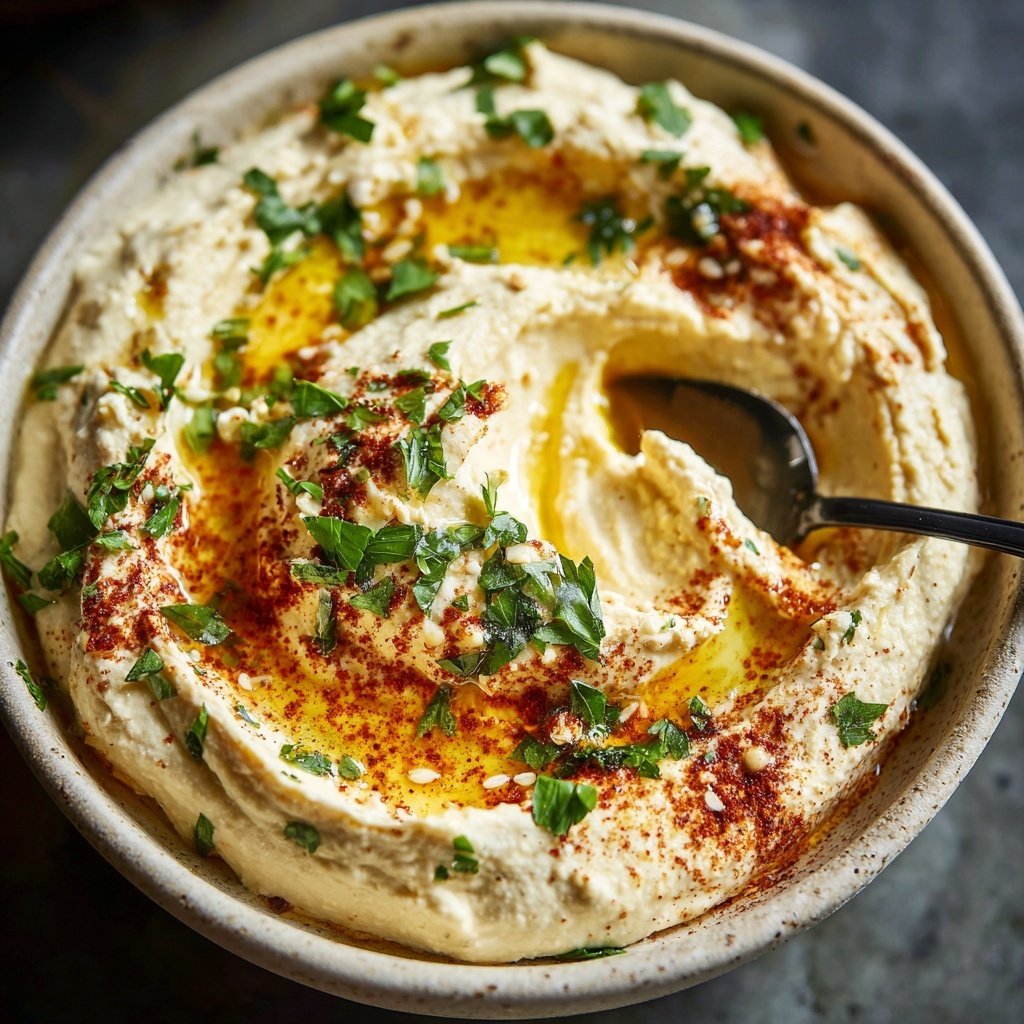
Transfer the hummus to a serving bowl, drizzle with olive oil, and serve with pita bread or veggies.
Extra Tips
- For extra flavor, consider adding roasted red peppers or herbs like parsley into the blender.
Nutritional Breakdown (Per Serving)
- Calories: 200 kcal
- Total Fat: 10g
- Saturated Fat: 1.5g
- Cholesterol: 0mg
- Sodium: 250mg
- Total Carbohydrates: 22g
- Dietary Fiber: 6g
- Sugars: 1g
- Protein: 7g